
By Rajan Shukla
Test and Tag in NZ: How Often Does Your Workplace Equipment Need Testing?
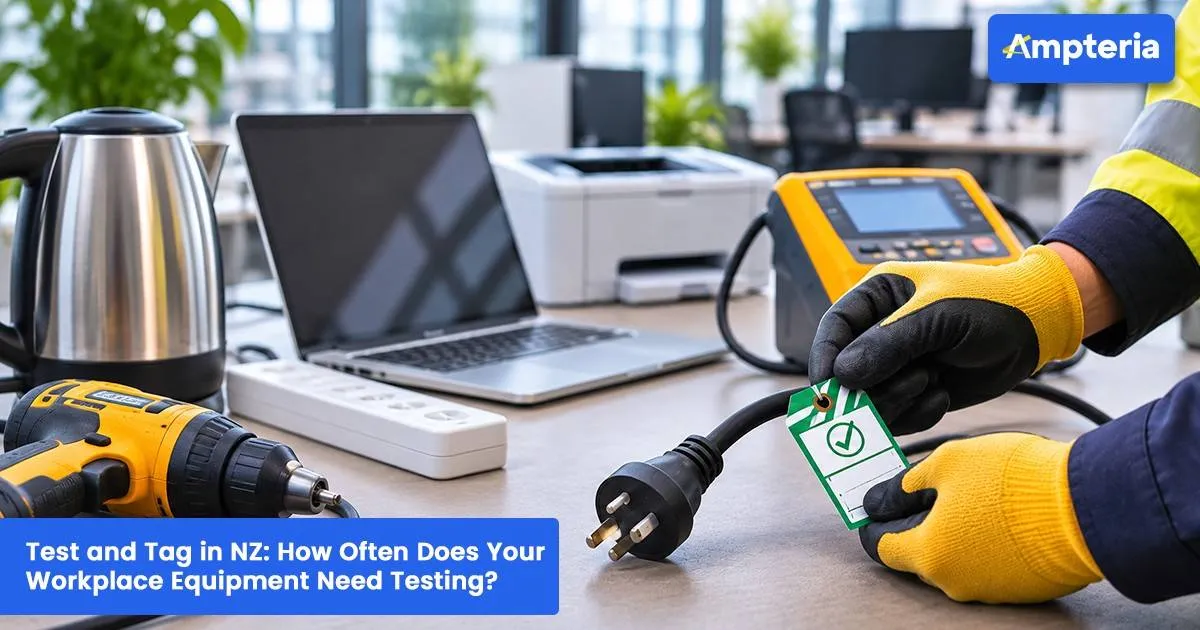 In New Zealand, you must ensure that all electrical equipment is safe to use, but regular testing and tagging is not a legal requirement for every workplace. How often you need a test and tag in NZ depends on the type of equipment and where you use it.
Low-risk equipment may be tested only every five years, while items in adverse conditions may need testing every three months. The AS/NZS 3760 standard guides safe testing. This guide explains testing frequency, requirements and responsibilities.
Is Test and Tag Required in NZ?
Test and tag is not legally required for every workplace in New Zealand. WorkSafe NZ explains that businesses must ensure that all equipment is safe to use, but they choose how to do this. The test and tag requirements in NZ come under the Electricity (Safety) Regulations 2010 and the Health and Safety at Work Act 2015. Also, you can follow AS/NZS 3760 to show that you are following these duties.
- Note: A test only shows the equipment's condition at that time, not how safe it will remain in the future.
How Often Should Workplace Electrical Equipment Be Tested?
The right test and tag frequency in NZ depends on the equipment and the environment it is used in. For example, an office computer may need fewer checks than a power lead used on a construction site. Ministry of Education guidance suggests testing every 12 months for equipment that is moved often, handled roughly or exposed to moisture, heat or dust. Low-risk items can have longer gaps of up to five years.
- Tip: Set testing schedules by area, not one schedule for the whole site.
Which Workplace Equipment Needs Testing?
If an electrical item plugs into a standard power outlet, it may need testing and tagging. Common examples include extension cords, power boards, battery chargers, portable tools and other workplace appliances. Portable appliance testing in NZ helps check these items for damage and electrical faults. However, fixed equipment connected directly to the building's wiring is not covered by test and tag. Registered electrical workers must handle testing and work on fixed wiring.
When Should You Test Equipment Before the Next Due Date?
You should not wait for the next test date if you notice damage or signs of wear. Always check cords, plugs and tools regularly, even if they have a current tag. If something looks faulty, stop using it straight away and arrange repairs through a qualified person, such as a registered electrical worker. Regular electrical appliance testing in NZ also helps to ensure workplace equipment safety. You may need shorter testing intervals and RCD protection in harsher or damp outdoor conditions.
Who Is Responsible for Electrical Safety in New Zealand Workplaces?
In New Zealand, the PCBU (Person Conducting a Business or Undertaking) is responsible for ensuring electrical safety in the workplace. They need to decide how to meet their legal duties and make sure equipment is properly checked. Workers should report any damaged cords, plugs or tools as soon as they notice them. Each test tag should show the test date, tester's details and result. Businesses should also keep a record of equipment, its location, test results and next test date. Hire companies must test and tag equipment before renting it to customers.
Who Can Carry Out Test and Tag in NZ?
Test and tag can be done by a competent person who has the right training, understands the relevant standards and knows how to use the testing equipment. A trained staff member or a third party can do it; however, electrical faults and repairs must be handled by a registered electrical worker. If you have a business, you can even train a staff member through a test and tag course Tauranga to build in-house skills. If you are unsure about these electrical standards, it is best to get your equipment checked by a professional electrical testing expert in Tauranga.
FAQs
Do laptops, chargers and kettles need testing?
Laptops, chargers and kettles may need testing if they are used at work and plug into a power outlet. Regular workplace electrical equipment testing helps find damage or faults that could cause electric shocks or fires. The testing schedule depends on how often and where you use them.
What happens if an appliance fails the test-tag test?
If an appliance fails the test, stop using it straight away. Remove it from the work area or mark it clearly so nobody uses it by mistake. A qualified person should check and repair it before it goes back into use. This helps maintain electrical safety in the workplace.
Do staff laptops and equipment used at home need a test and tag?
Whether the staff laptops need a test and tag in NZ depends on how the equipment is used and your workplace safety policy. If staff regularly bring laptops, chargers or other electrical items to work, they may need testing. The same applies to equipment used for work at home, so include these items when planning the testing.
Does a valid tag mean the equipment is safe until the next test?
A valid tag doesn’t guarantee that equipment will stay safe until its next test. Damage can happen at any time. Staff should check cords, plugs and appliances regularly and report problems straight away. If you want to ensure good workplace equipment safety, all you need to do is regular checking.
Do brand new appliances need testing?
Brand new appliances don’t always need testing before their first use. However, you should check them for visible damage and make sure they are suitable for the workplace. Keep purchase records and follow the manufacturer's instructions. Your workplace electrical equipment testing schedule can then account for their condition and use.
Test and tagtesting and taggingTaurangaNZ